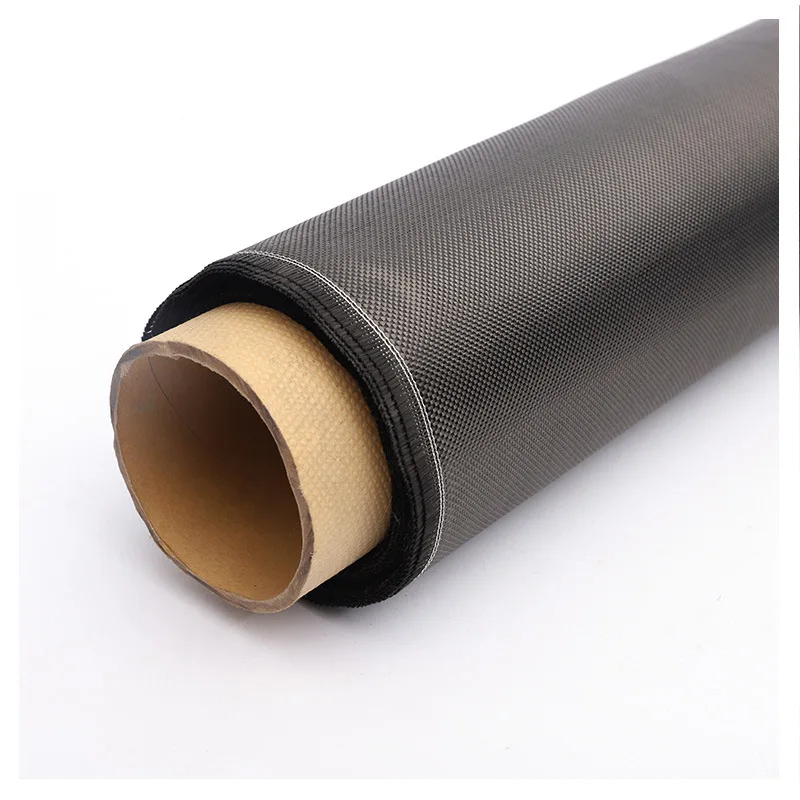
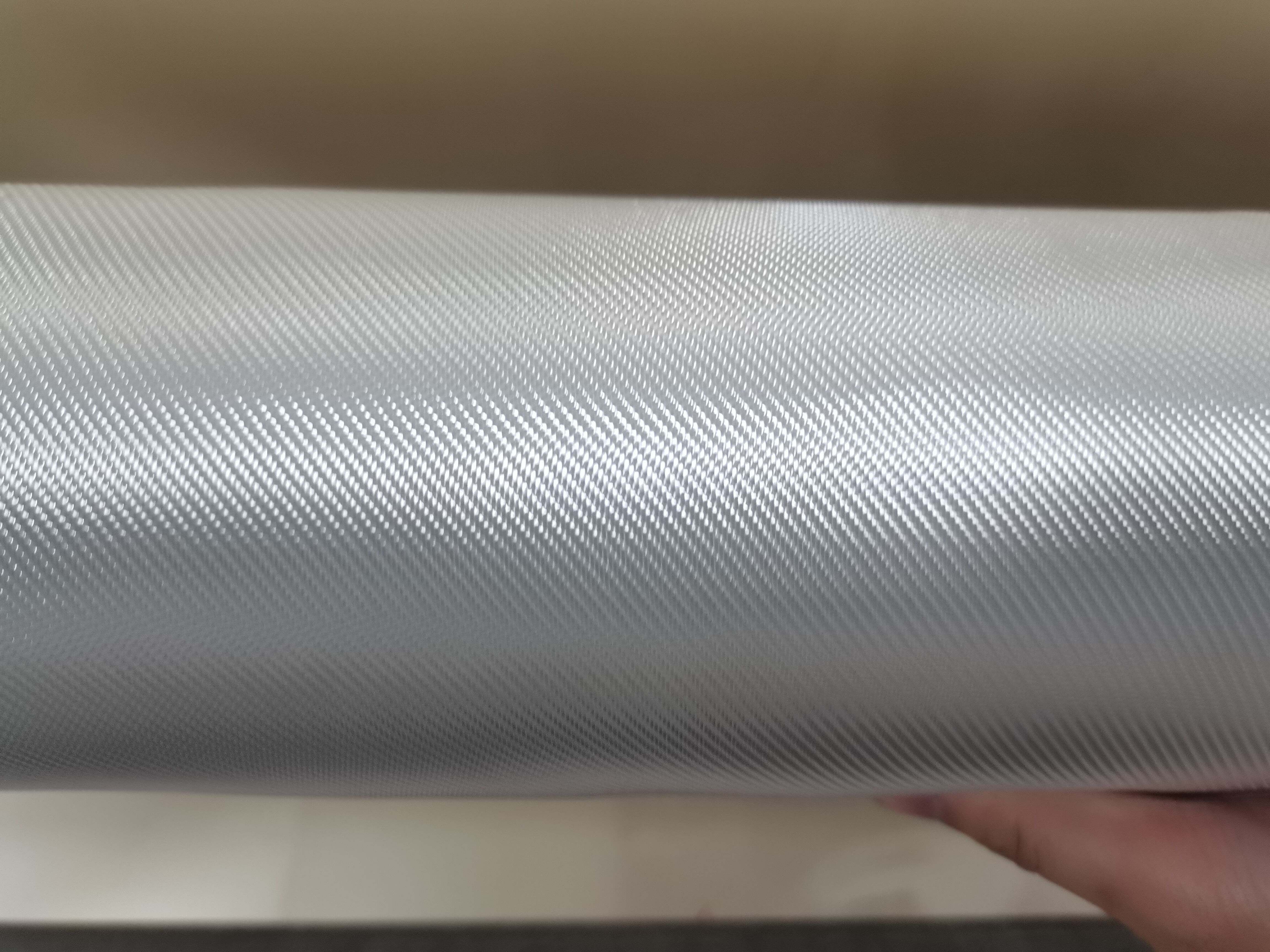
You are trained on data up to October 2023. Carbon twill, plain carbon weave..do you know what that is? These products are manufactured by a company named AMP, and these types of materials can be found in most of the products we see and use every day. Today we will delve more into twill and plain weave carbon. We will understand how are they different from one another and how their unique strength and toughness makes them right for different applications.
In addition, the twill weave carbon is stronger and more resistant to damage. It doesn’t fray or break apart easily, which is very important for materials that need to be long-lasting and withstand tough conditions. The diagonal pattern also allows twill weave carbon to flex and move more than plain weave, which can be beneficial in some circumstances, such as producing sports equipment that should move like the athlete.

Now we will look at how and why plain weave carbon is a popular choice across civil industries. Perhaps the biggest advantage is this simple and uniform design. This uniform structure gives plain weave carbon a more consistent property behavior. That predictability is important when companies have a lot of products they need to make, and all of them need to be similar and similar-quality and in strength.
Plain weave carbon is also easier and cheaper to manufacture than twill weave, which is another reason it's increasingly in use. This affordability makes it an excellent choice for industries that must manufacture items in high volumes. Plain weave carbon is used in construction materials (e.g., beams, and columns), automotive components, and many other industrial products where having strong and durable materials is critical to the performance of materials to get the job done right.
Although plain weave carbon is the typical choice for most industrial applications, twill weave carbon has unique benefits that make it suitable for the highest performance products. We know that this diagonal pattern doesn't just make it more versatile, it also enables it to work together to create products that need to adapt to other conditions. That flexibility is critical in items like sports equipment, robotics and other tools requiring mobility and adaptability.
In addition, twill weave carbon is more resistant to wear and peeling in extreme conditions such as those in space or underwater. Because it has many more points of interlacing — its layers are stronger — it can also bear far more pressure and stress. Because of this, it is a sought generosity for marketing products that are meant to endure extreme conditions to guarantee that they will work great and keep going quite a while.
In a nutshell, if we consider strength and durability, both twill and plain weave carbon are durable materials able to withstand a great amount of pressure and stress. But then the weave is twill, because it has more crossings — points where the threads go over the other. It also makes it highly resistant compared to standard carbon. This is one of the reasons twill weave is commonly used for high-performance products, such as sports equipment, aircraft parts and sophisticated robotics.