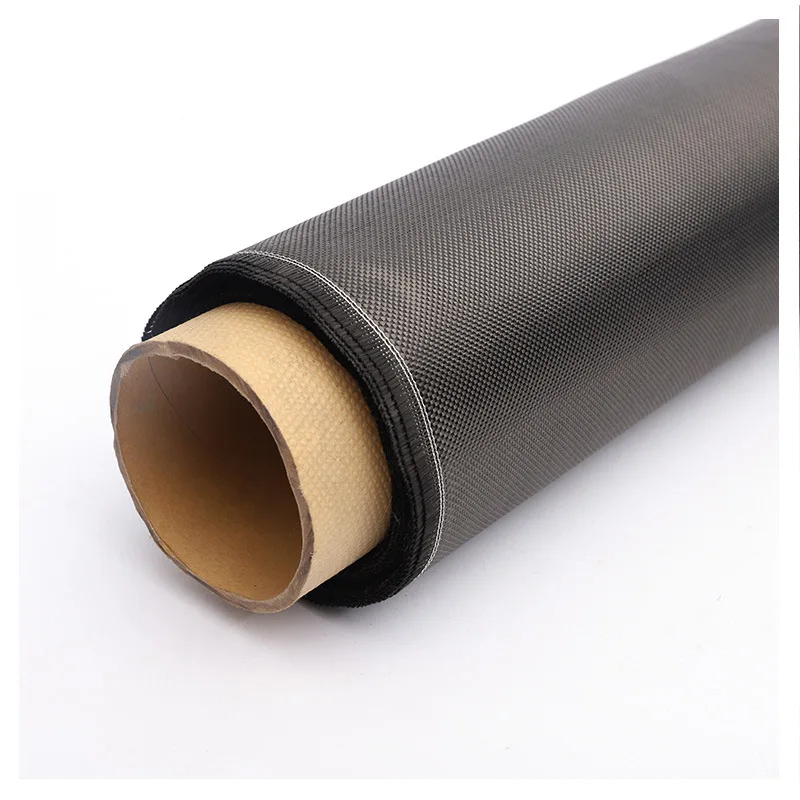
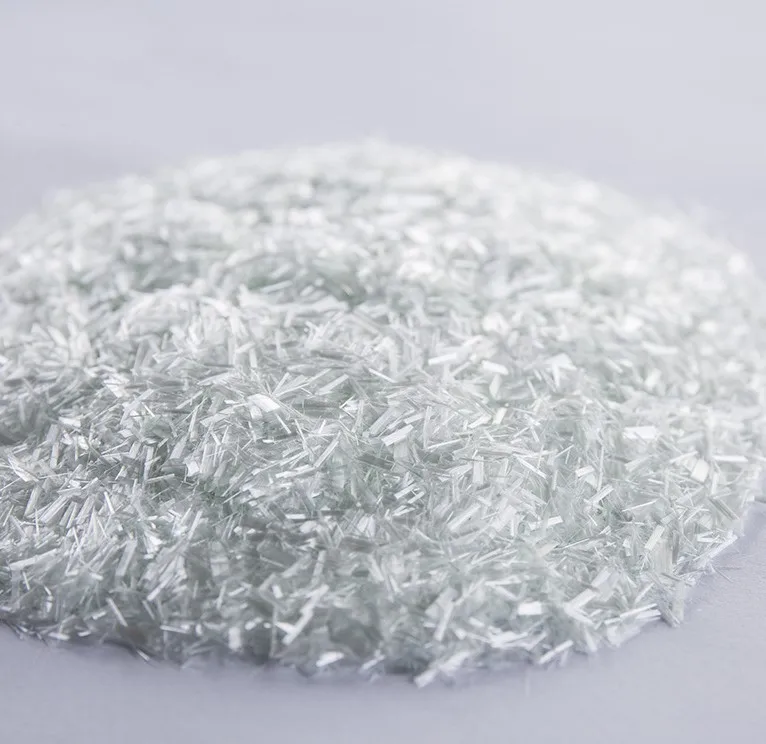
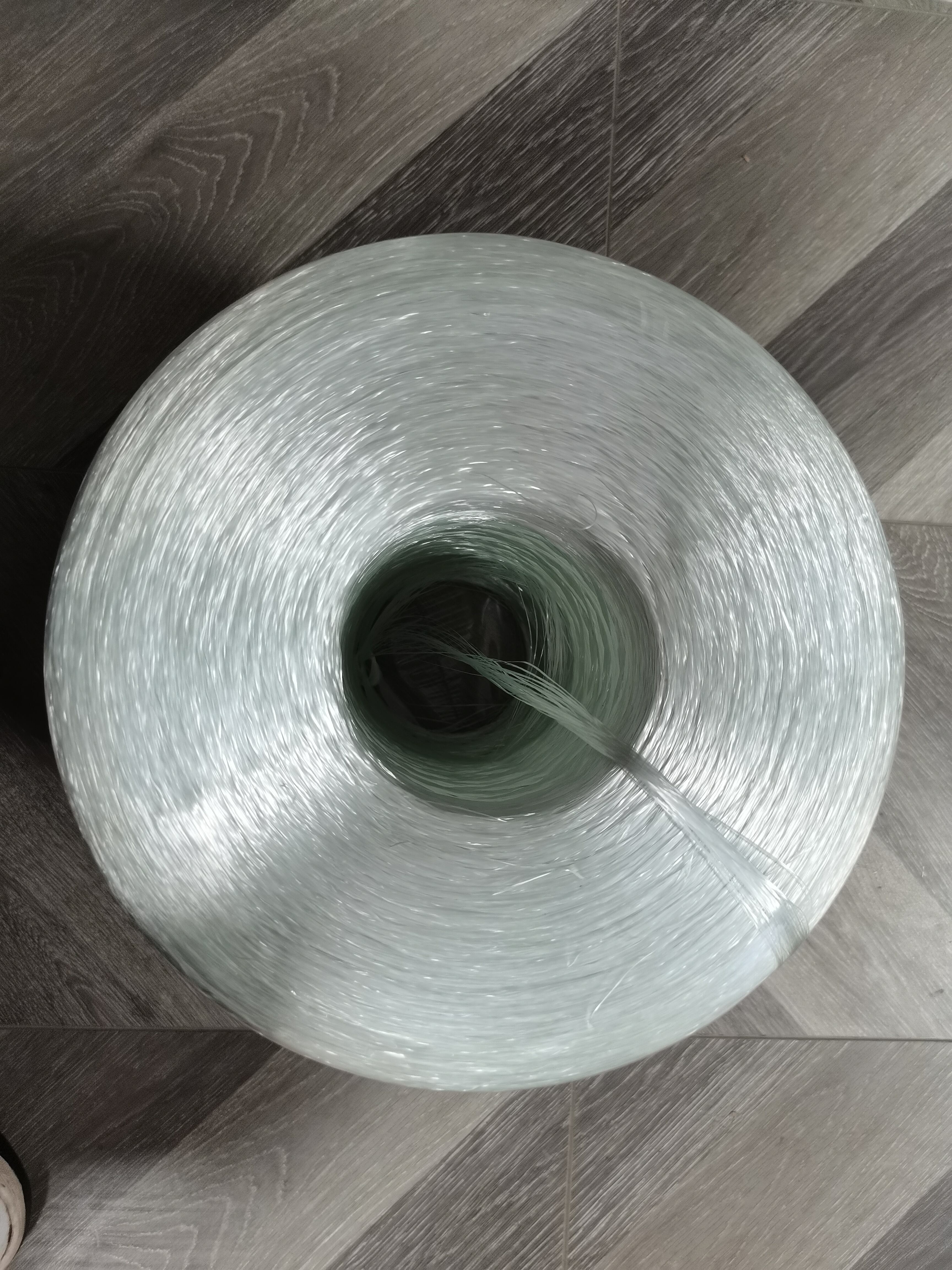
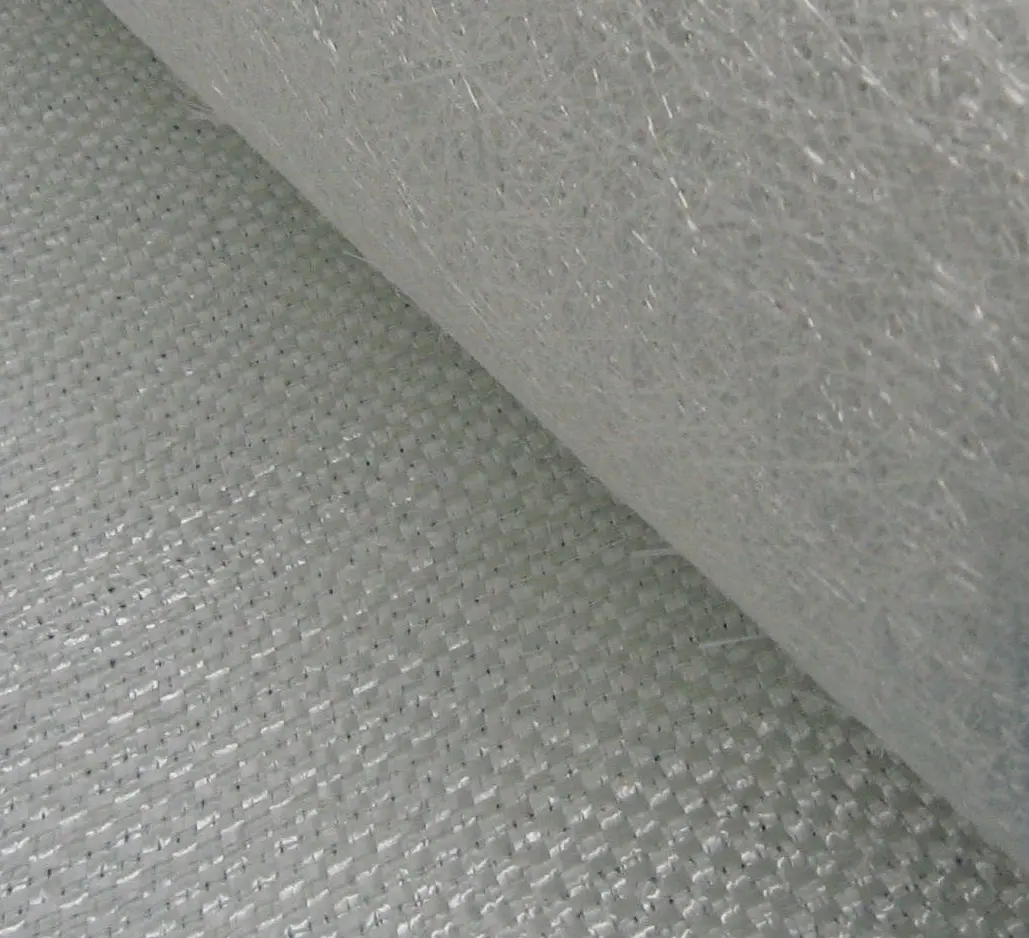
Specifically designed, non-conductive fiberglass is used for insulation ensuring protection for electrical wires. This fiber is a mesh of microscopically intertwined and similar glass fibers. What is the importance of this special fabric?When it comes to securing wires that conduct electricity, this specific fabric is crucial.
Which begs the question: How does non-conductive fiberglass work? Think of it like a shield. They form a barrier around this electrical wire using fiberglass insulation. The fiberglass insulation prevents the electricity in the wire from touching anything else that could cause problems when it flows through. Electricity might find something else it is not supposed to touch, causing a short circuit where electricity travels down an unintended path. Which might in-turn cause sparks or fires. These Everythings Happen To Keep All Items Safe From These Accidents When We Use The Fiberglass.
That non-conductive nature of fiberglass makes it an excellent choice for electrical insulation, with a few notable advantages. The first, and probably the most obvious advantage is that it is extremely powerful. Durable: It can endure tons of rough use without breaking down, which means it has a long life even under heavy working conditions. Such strength is extremely crucial as travelling equipment or high heat environments.
The most common type is non-conductive fiberglass, which helps ensure your electrical wiring is always insulated and protected. This will save you many accidents and ensure the sustainability of functioning electrical systems. Quality insulation allows you to ensure that your electrical devices work properly, causing everything to work without any problems.

In fact, non-conductive fiberglass is used in numerous industries including the automotive industry, aerospace, construction and electronics. In the automotive space, it can be used to insulate wires and protect to batteries from nonconductive fiberglass. It improves the efficiency of your car's electrical system and prevents damage to components.
In the aerospace industry, non-conductive fiberglass is applied to wiring and cabling insulation in spaceships and airplanes. This is important as safety is of utmost importance in the high-flying world of aviation. In the construction industry, non-conductive fiberglass is used to insulate buildings — providing protection from weather and other elements.
Not to mention, along with everything else fiberglass being nonconductive, it is also environmentally-friendly. Non-conductive fiberglass is made from renewable, sustainable materials, rather than synthetic compounds that are not only potentially harmful to human health but also very energy-intensive to produce compared with products such as wood or wool. That means it’s good for our world.