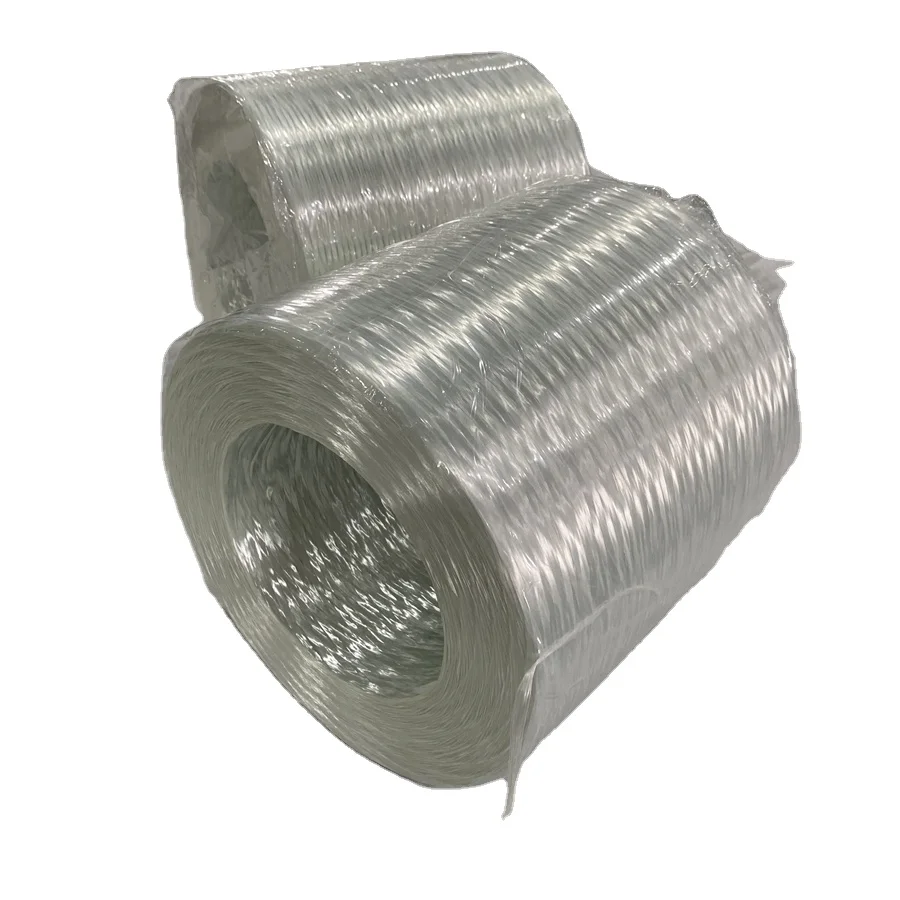
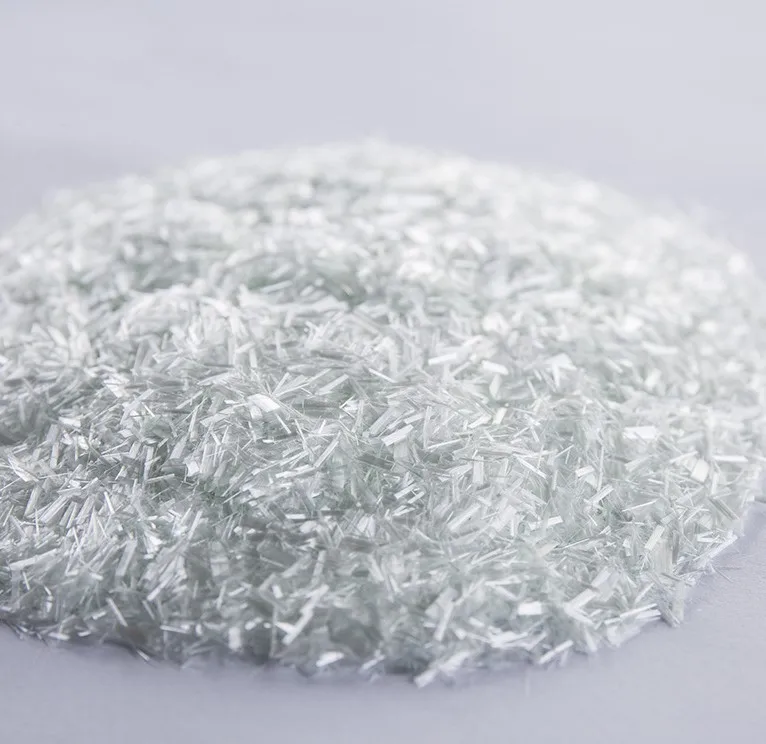
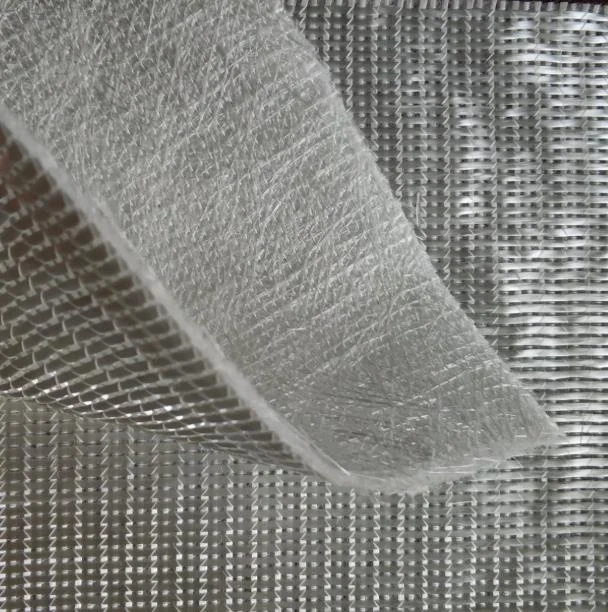
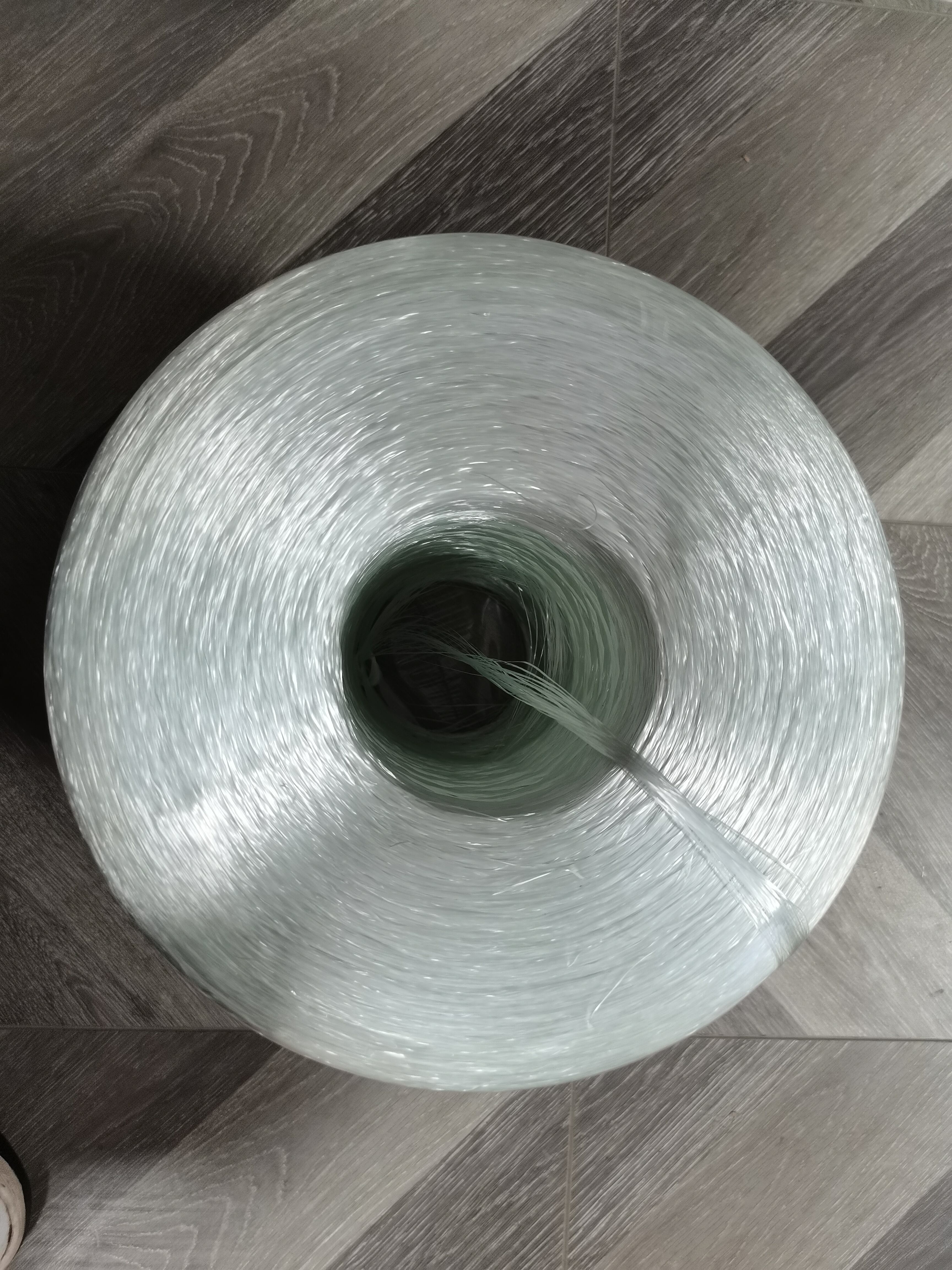
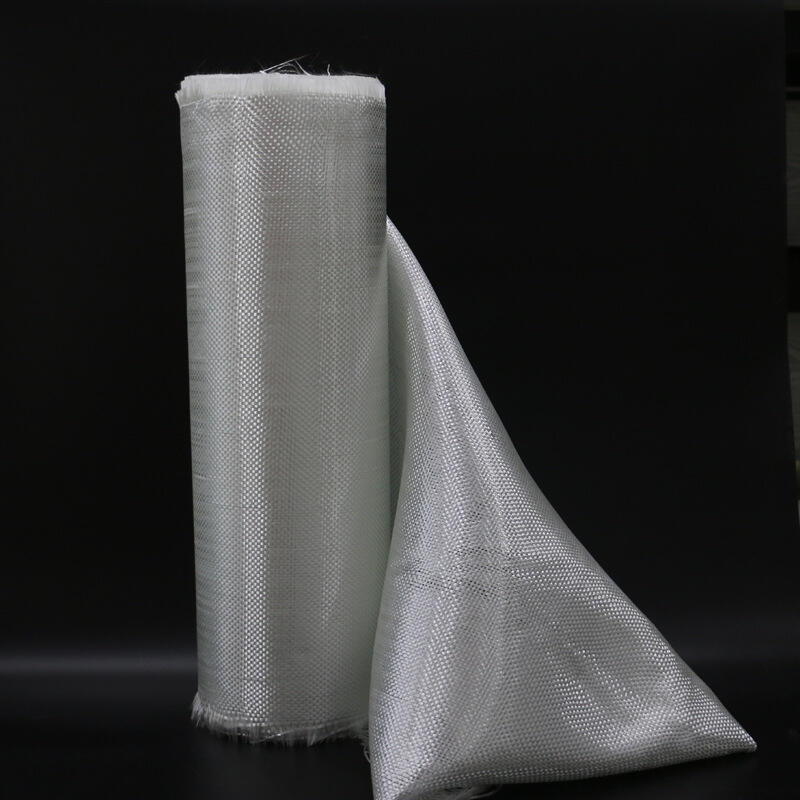
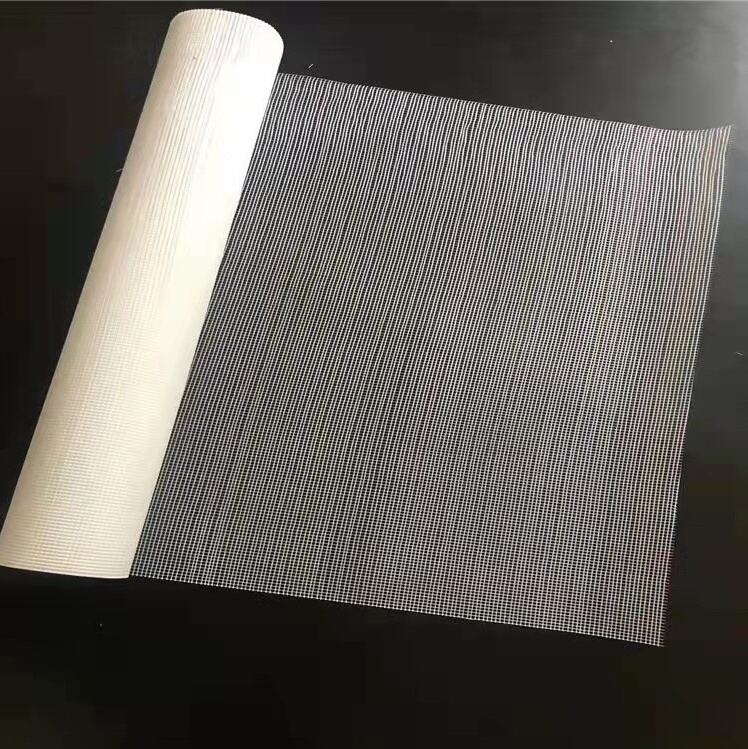
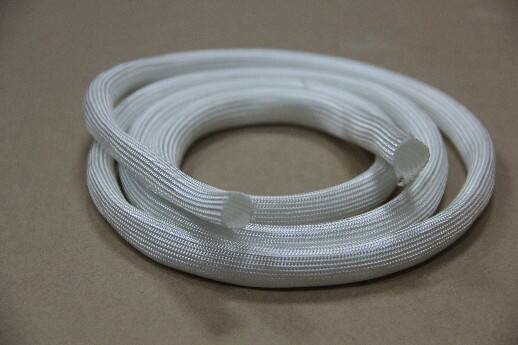
Fiberglass insulation is a unique insulation material that can be used in factories and various other industrial facilities. The number of advantages associated with its use make it a good option for keeping buildings and equipment properly insulated. Fiberglass is produced by spinning really thin strands of glass into this fluffy wooly material. Finally, a glue is added to make this all stick together. This method forms a rigid, long lasting material capable of trapping air making fiberglass an excellent insulator that prevents heat transfer from entering your home. Find out why fiberglass is a smart choice for industries and the benefits it provides them.
One of fiberglass insulation usage is in the wide range of different environments. This makes it incredibly adaptable. Light, versatile, and ideal for wrapping over pipes, ductwork, and machinery exuding or requiring high & low temp. Take pipes that carry hot water — they need to be insulated in order for the heat not to escape, which is why fiberglass insulation is perfect because it wraps around them. Another huge advantage that fiberglass insulation provides is the ability to muffle sound in a factory. Industrial locations tend to be super loud and laborious, even with the application of fiberglass which can help in noise reduction really quite a bit too. Particularly in factories where workers must communicate and concentrate on performing their tasks.

Fiber glass insulation is known for it is strength and durability. This is built to endure extreme environment where it can be used at the industrial area. For example, it can withstand any weather — be it too hot or too cold. It is also very resistant to damp, mold and mildew. This point is significant because numerous manufacturing environments tend to be wet or even humid, which has caused damage to other forms of insulation. Fiber glass insulation has long life and thus stops replacement as frequently like other materials. Such durability entails that enterprises save costs in the future with reduced expenditure on repairs or replacements.
Fiberglass insulation is also good at holding heat in and cold air out. Due to this capability, it is excellent for enhancing energy efficiency in industries. Fiberglass is also a great way for businesses to reduce their energy consumption when insulating pipes, ductwork, and machines as it helps maintain the right temperatures better without requiring constant output of energy. This not only helps drive down energy expenses but also contribute to climate preservation. Businesses can reduce their carbon footprint and help create a more sustainable world by using fewer energy sources.
Fiberglass insulation is one of the easiest types to install as well as maintain. Other forms of insulation may require specialized tools or expert knowledge to install, whereas fiberglass insulation can be installed quickly and easily using only basic supplies. It also means that it can be easily installed by the workers without requiring much time or money. As such, fiberglass insulation is also one of the least maintenance-required types to be installed. It allows them to pay less attention on the repairs and gives more time for them to carry out their works with ease without any disturbance thus saving time and money on its maintenance.
In conclusion, fiberglass insulation is a long-term investment that yields substantial savings in cost of ownership in a manufacturing facility. Fiberglass contains heat and keeps cold air out, making it an efficient solution to reduce energy expenses, which can account for a major cost in almost all businesses. Additionally, fiberglass insulation has an extremely long lifespan and thus will only require replacement every few decades as opposed to other insulating materials. Not only that, but it can also save businesses on labour costs even further because of the speed at which it can be installed and maintained, meaning less downtime for installation or repairs.